
Best Finish for Intarsia: Danish Oil vs Tung Oil vs Polyurethane
You’ve spent hours cutting, sanding, shaping, and fitting your wooden pieces. Your intarsia artwork finally looks beautiful. Then comes a […]
Explore practical intarsia woodworking guides, scroll saw techniques, wood-selection advice, beginner resources and project inspiration.
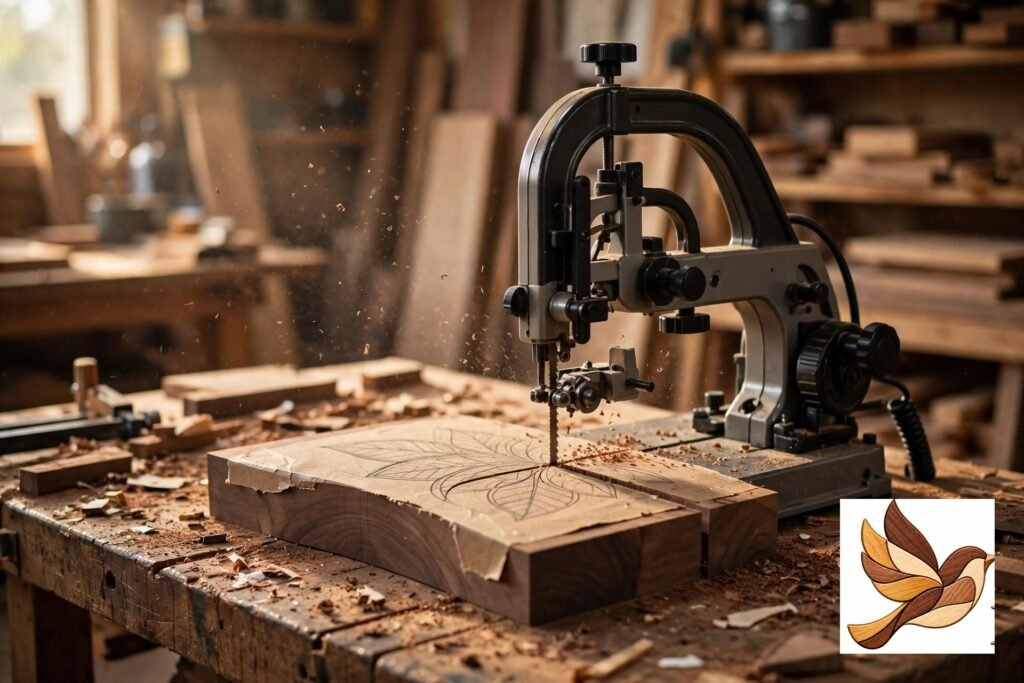
Every intarsia piece you will ever make passes through one machine. The scroll saw decides how tight your curves can […]
Read Article →Practical guides and ideas designed to help you understand intarsia, improve your workflow and choose better woodworking projects.
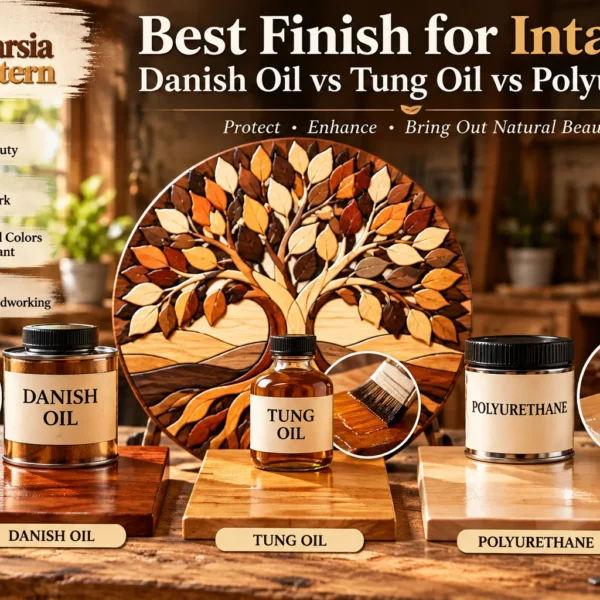
You’ve spent hours cutting, sanding, shaping, and fitting your wooden pieces. Your intarsia artwork finally looks beautiful. Then comes a […]

You’ve spent hours cutting beautiful wooden pieces, shaping every curve, and carefully arranging your intarsia pattern. Your project looks almost […]

Imagine spending hours cutting tiny wooden feathers for a beautiful owl, carefully sanding every curve, and arranging the pieces until […]

What makes a wooden eagle look realistic, a fox portrait feel alive, or a hummingbird stand out against a bright […]
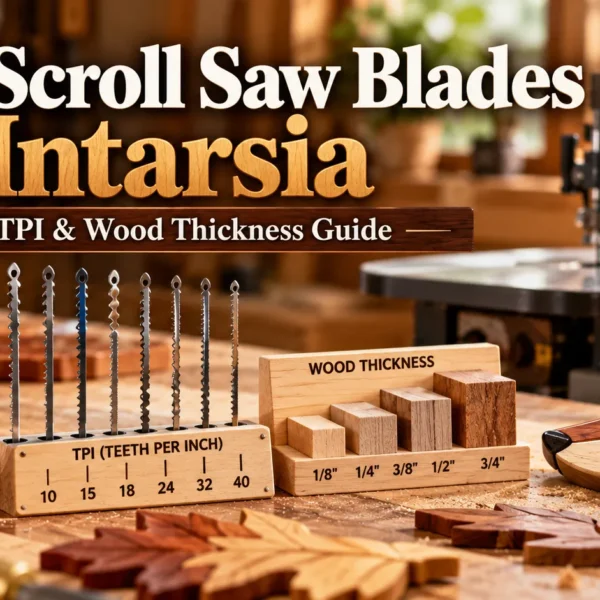
You’ve chosen a beautiful intarsia pattern, picked your favorite wood, and switched on your scroll saw. Everything looks promising until […]
Start with the fundamentals: understand how intarsia works, why wood grain matters, how patterns are used and what tools are commonly involved in scroll saw projects.
The IntarsiaPattern blog is a resource for woodworkers looking to learn more about digital intarsia patterns, scroll saw techniques, pattern preparation, wood selection, shaping, sanding and project planning.
Whether you're researching your first intarsia project or developing more detailed woodworking skills, the journal is organised to make practical information easier to find.
Explore the current IntarsiaPattern collection and choose a digital pattern for your next scroll saw project.
Browse All Patterns →Quick answers to common questions about intarsia patterns, tools, wood selection and getting started with your next project.
Intarsia is a woodworking technique that combines individually cut, shaped and fitted pieces of wood to create a dimensional picture. Natural wood color and grain help form the details of the finished design.
Yes. The blog includes beginner-friendly guides covering patterns, scroll saw basics, wood selection, grain direction, cutting, shaping, sanding, assembly and finishing.
Beginners should usually start with fewer pieces, smoother curves and less intricate shaping. Intermediate and advanced woodworkers can move toward larger piece counts, tighter curves and more detailed dimensional shaping.
A scroll saw is commonly used for cutting. Sanding and shaping tools, suitable blades, adhesives, a backing board and basic measuring and marking tools are also useful for many projects.
Grain direction can make fur, feathers, leaves and other details look more natural. It also helps create visual separation and movement between neighboring wooden pieces.
You can browse the IntarsiaPattern shop for currently available digital woodworking patterns and choose a design that matches your subject and skill level.